
The Rosacea Method
Nervous System–Led Skin Recovery
By Grace Skin Technology
Helping stressed, reactive skin heal itself.
Not injectables. Not quick fixes. Real repair.
Rosacea is a common skin condition that causes ongoing redness, usually across the cheeks, nose and chin. Some people also experience spots that can look similar to acne, but unlike acne, rosacea has a persistent pink flush that may become more noticeable over time.
I offer personalised treatment plans to help calm inflammation, reduce redness and improve overall skin balance. Book a consultation so I can assess your skin and recommend the most suitable approach for you.
What is rosacea?
Rosacea is a chronic inflammatory skin condition that primarily affects the central areas of the face, including the cheeks, nose and chin. It often causes persistent redness and small red bumps that can resemble acne. However, unlike acne, rosacea is characterised by a background flush and increased skin sensitivity.
Many people with rosacea notice that their skin reacts easily to skincare products, temperature changes or certain triggers. Symptoms may flare up periodically and can become more noticeable over time if left unmanaged.
There is no single test for rosacea. Diagnosis is based on a careful assessment of your skin, symptoms and medical history. In some cases, further medical evaluation may be recommended to rule out other underlying conditions.
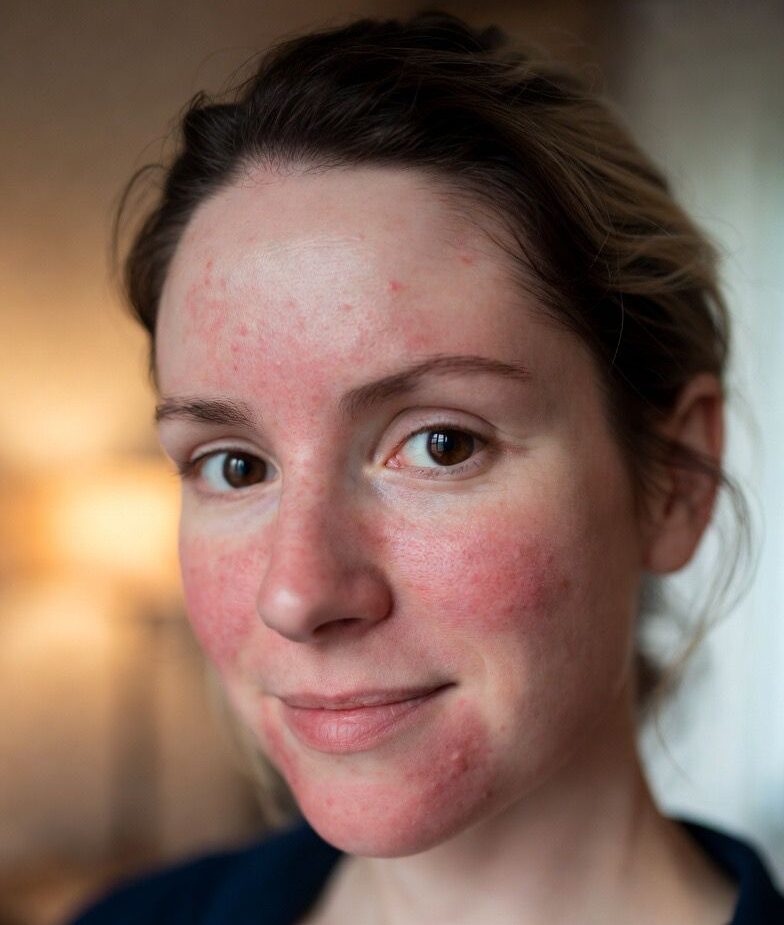
Types of Rosacea
Rosacea presents in different ways, and symptoms can vary from person to person. It is often grouped into the following subtypes:
Erythematous rosacea
This type is characterised by persistent redness and flushing, typically across the cheeks, nose and forehead. Small visible blood vessels (thread veins) may also become noticeable over time.
Phymatous rosacea
This is a rarer form in which the skin gradually thickens and becomes uneven in texture. It most commonly affects the nose (a condition known as rhinophyma), but can affect other areas of the face.
Papulopustular rosacea
Often referred to as acne rosacea, this type includes red bumps and pus-filled spots that resemble acne. However, unlike acne, there are no blackheads and the skin tends to be more sensitive.
Ocular rosacea
In some cases, rosacea can affect the eyes, causing dryness, irritation or redness around the eyelids.
Causes of Rosacea
The exact cause of rosacea is not fully understood, but it is thought to involve a combination of factors, including inflammation, vascular sensitivity and changes in the skin’s immune response.
Common contributing factors include:
Increased vascular sensitivity
People with rosacea often flush easily. The small blood vessels in the face can dilate more readily in response to triggers such as temperature changes, spicy foods, alcohol or emotional stress.
Inflammatory response
Rosacea is considered an inflammatory condition. The immune system in the skin may overreact to certain triggers, leading to redness, bumps and flare-ups.
Skin barrier dysfunction
Rosacea is frequently associated with sensitive skin. The skin barrier may be compromised, making it more reactive to skincare products, environmental changes and external irritants.
Demodex mites
Demodex folliculorum is a microscopic mite that naturally lives on the skin. Higher numbers have been found in some people with rosacea. While it is not considered the sole cause, it may contribute to inflammation in certain cases.
Rosacea is more common in people with fair skin and is diagnosed more frequently in women, although men can sometimes experience more severe thickening of the skin in advanced stages.
Rosacea treatment
Rosacea cannot be permanently cured, but it can be effectively managed with the right combination of treatments and ongoing care. Treatment is tailored to the type and severity of your symptoms.
Depending on your skin’s needs, this may include:
Skin-strengthening treatments
For sensitive, reactive skin, we focus on calming inflammation and supporting the skin barrier. Gentle exfoliation techniques, including carefully selected microdermabrasion where appropriate, can help improve skin texture and reduce congestion without aggravating redness.
Light-based therapies (IPL)
Intense Pulsed Light (IPL) can be highly effective for reducing persistent redness and visible thread veins. The light energy targets excess blood vessels in the skin, helping to improve overall tone and reduce flushing over time. Treatment is gradual and typically requires a course of sessions.
Targeted skincare
A tailored homecare programme plays a vital role in managing rosacea. This may include products containing ingredients such as niacinamide or azelaic acid to calm inflammation, strengthen the skin barrier and reduce redness.
Ongoing management
A tailored homecare programme plays a vital role in managing rosacea. This may include products containing ingredients such as niacinamide or azelaic acid to calm inflammation, strengthen the skin barrier and reduce redness.
Rosacea Treatment Packages
We offer structured treatment programmes designed to reduce redness, calm inflammation and improve overall skin clarity. A consultation will determine the most appropriate approach for your skin.
Full Treatment Programme
£750 (one-off payment)
Save £200 when booking the full course.
Includes:
1 x Follow-up consultation
6 x Bespoke Treatments
6 x Reset therapy sessions
4 x(Led Light) treatments
Pay in 3 Instalments:
£250 per instalment
Message me on 07473 437752 (WhatsApp) to book your appointment
Individual Sessions
If you prefer to book treatments separately, individual sessions are available:
Follow-up consultation – £99
Hydra / Air Peel – £50
Led therapy – £30
Plasma fusion (healing) £150
Message me on 07473 437752 (WhatsApp) to book your appointment
Frequently asked questions about rosacea
Here are answers to some of the most common questions we receive about rosacea and treatment options.
Is rosacea contagious?
No. Rosacea is not contagious and cannot be passed from one person to another.
How long does rosacea last?
Rosacea is a long-term (chronic) skin condition. Symptoms can fluctuate, with periods of improvement followed by flare-ups triggered by factors such as stress, temperature changes or certain foods.
Is rosacea hereditary?
There is no single proven genetic cause, but rosacea can sometimes run in families. Having a close relative with rosacea may increase your likelihood of developing it, particularly if you have fair or sensitive skin.
Can rosacea be cured?
Rosacea cannot be permanently cured, but it can be effectively managed. With the right treatment plan and ongoing care, redness and flare-ups can be significantly reduced and kept under control.
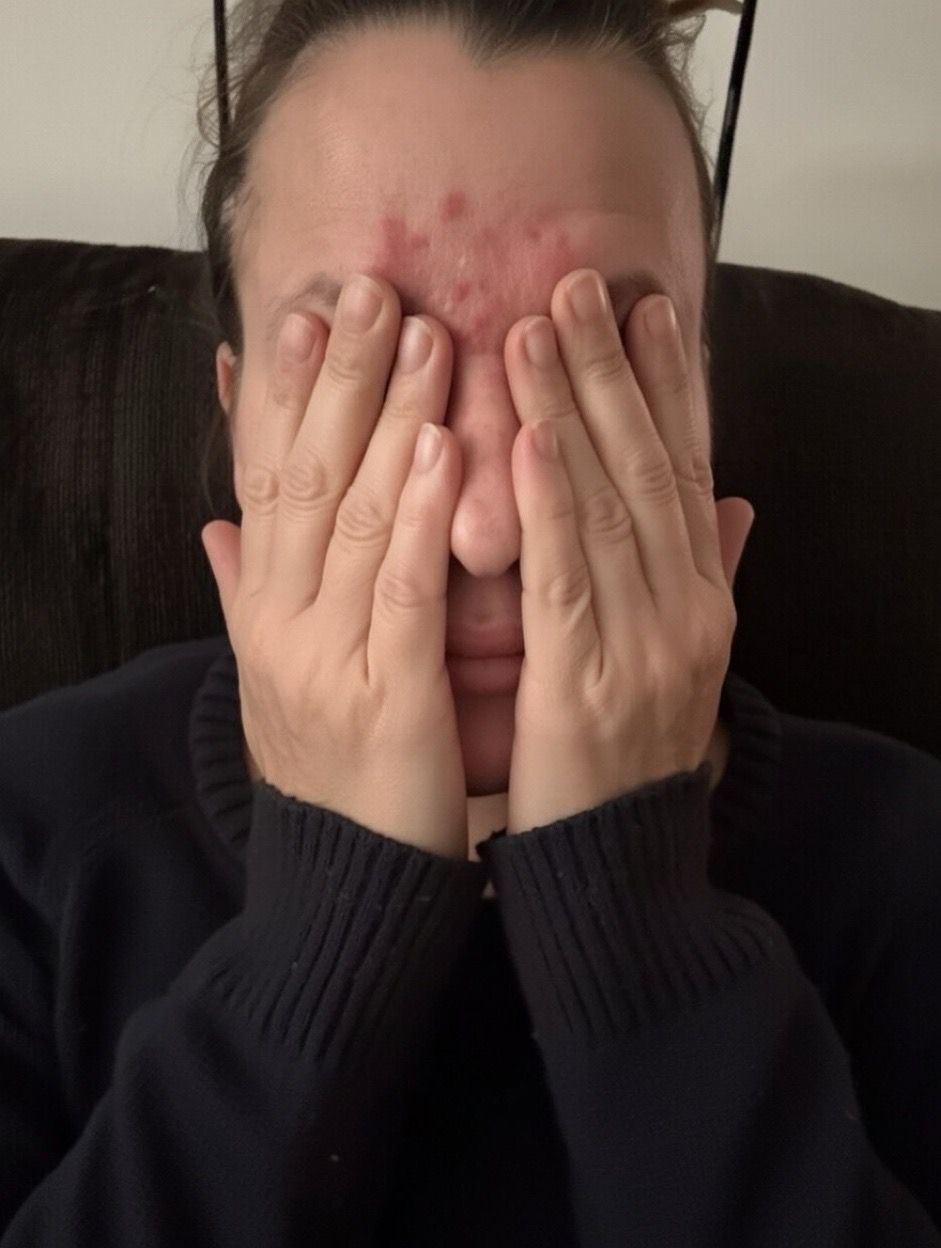
The Rosacea Method Podcast
Calm conversations on rosacea, inflammation, barrier repair and nervous system regulation.
For women who are tired of flare-ups and ready for real understanding.
Listen. Learn. Reset.
RENEW Course
The Rosacea Reset Protocol™
A guided skin + nervous system recovery pathway.
You’ll learn how to:
* Calm fight-or-flight
* Rebuild your skin barrier
* Control inflammation properly
* Protect your skin daily
This is education + structure — not guesswork.
Calm conversations on rosacea, inflammation, barrier repair and nervous system regulation.
For women who are tired of flare-ups and ready for real understanding.
Listen. Learn. Reset.
Skin Care
Product-first. Evidence-led. Barrier-focused.
The Rosacea Protection System:
* Calm Cleanser
* Recovery Cream
* Zinc SPF
* Calm Serum
Simple. Intentional. Protective.
Join our Rosacea Support Group
I run a private WhatsApp group for anyone who would like ongoing guidance, tips and updates about managing rosacea. It’s a supportive space where you can ask questions and stay informed between appointments.
Join the Skin & Mind Community
Come and join our friendly WhatsApp community for gentle support for skin, hormones and nervous system health.
Address
CRANLEIGH SURREY